
In 1968, a visionary named Doug Engelbart unveiled the “X-Y Position Indicator for a Display System” — what we now call the computer mouse. It was part of a groundbreaking demo that also included hypertext, collaborative editing, and windows, decades ahead of their time. And yet, despite its revolutionary potential, do you know how much the mouse was ultimately licensed for? Just $40,000.
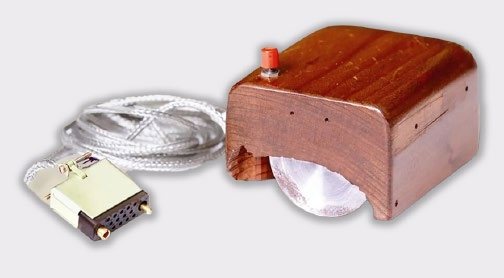
One of the most iconic, universally adopted technologies in the history of computing — used in billions of devices — was licensed for less than the price of a compact car.
The story of the mouse isn’t just a quirky footnote in tech history. It’s a powerful example of what happens when innovation isn’t aligned with real-world context. Engelbart had the breakthrough, but not the business case. The market need wasn’t clearly defined, and the delivery strategy didn’t exist. In today’s terms, the computer mouse failed to align the three essential elements of successful innovation — what we call the Innovation Triangle.
The Innovation Triangle
To move a breakthrough from the lab to the market, three elements must align: a major technological advance, an important market need, and an achievable, investable goal.
If even one of these is missing, the outcome is almost always disappointing. Here’s how the failure modes play out.
Advance + Goal, no need → Useless invention
You’ve built something clever and know how to deliver it — but nobody wants it. Take the walking sleeping bag. Technically it combines wearable design with thermal insulation and mobility, an inventive concept. But for most people it solves a problem they don’t really have. Technically sound, operationally feasible — but functionally irrelevant.

Goal + Need, no advance → Incremental innovation
You’re solving a real problem in a practical way — but without a meaningful leap forward. Think of one generation of smartphone against the last, or slightly more efficient warehouse software. It might sustain a business, but it won’t reshape one.

Advance + Need, no goal → Unobtainable innovation
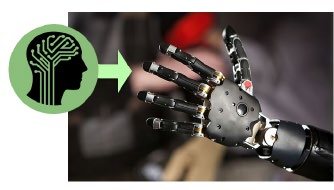
You’ve made a major discovery and found an urgent problem to solve — but you can’t build or deliver it in a realistic way. Think of a mind-controlled prosthetic limb. Incredible science, real demand — but commercial traction remains far off due to cost, regulation, or complexity.
What changed the fate of the mouse
What changed the fate of the mouse was Steve Jobs. He didn’t invent it — but he understood it. When he encountered the early technology, Jobs immediately saw its potential: not as a lab curiosity, but as the interface that could make computing intuitive for everyday users. He envisioned the mouse as the perfect companion to a new kind of personal computer, the Apple Macintosh. For Jobs the mouse wasn’t just a tool, it was the gateway to a human-centered computing experience — a practical, elegant interface that could bring graphical computing to the masses.
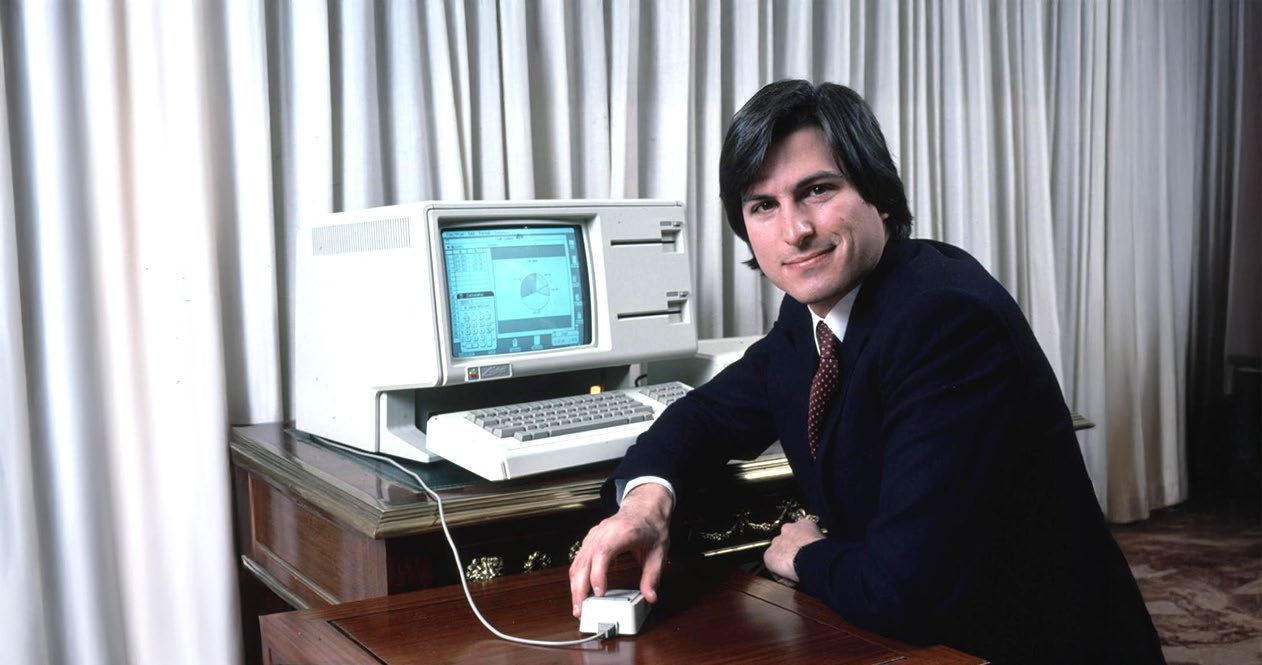
Jobs didn’t just see the invention. He saw the value proposition, and he framed it in a way that customers, developers, and corporate decision-makers could grasp. That’s what made him an innovation genius.
The point isn’t that you need to be Steve Jobs to succeed. You don’t. You need to make sure your innovation captures all three points of the triangle.
Why this is harder inside a large organization
This challenge is especially acute in corporate R&D. Most organizations have no shortage of technological advances. The harder part is finding a real market problem and crafting a plan that’s achievable, investable, and credible enough for business units or executive sponsors to support.
And this challenge is even more pronounced in Japan. Despite a rich tradition of advanced engineering and world-class manufacturing, many Japanese companies struggle to bridge the gap between research and real-world deployment, especially in global markets. Commercialization cycles tend to be slow, and there is often an inward focus on domestic application rather than international scalability. Strategic planning can be exhaustive — hundreds of pages of analysis and recommendations — but not always actionable. Projects are sometimes framed as “training” exercises rather than true innovation efforts, which limits urgency and follow-through. Meanwhile, organizational silos — the so-called tako-tsubo, or octopus pot, culture — make cross-functional collaboration difficult. The result is that promising innovations can be technically ready but organizationally paralyzed.
So ask yourself: where is your innovation stuck?
Is it a brilliant invention in search of a need? A well-defined problem with no breakthrough? Or a high-potential idea with no viable path?
At Qanopy we help teams close these gaps, connecting technical excellence with market urgency and commercial clarity. Because at the end of the day, innovation isn’t just about what you can build. It’s about what you can deliver that truly matters. And no, you don’t need to be Steve Jobs. You just need to align your advance, your need, and your goal — and build from the center.
Get a complimentary innovation assessment
We’ll help you align your internal teams around the advance, the need, and the goal.
Let’s Connect→